
Cheap Website Design Case Studies
Professional websites without the large upfront cost
Welcome to our cheap website design case studies. This page showcases how affordable, professionally designed websites can help UK businesses establish a clearer and more credible online presence.
Our business website packages start from only £4.99 per month. The aim is simple: to make professional web design accessible to start-ups, sole traders and established businesses that do not want to pay a substantial upfront development fee.
A lower price should not mean an unfinished website, confusing additional charges or a lack of support after launch. Our monthly packages include the essential services needed to create, host and maintain your website.
Real websites created around real business requirements
Every business website needs to do something useful.
For one company, that may mean generating quotation requests. Another may need to display previous work, answer common customer questions or provide an easy way to make contact. An ecommerce business needs customers to be able to browse products and complete secure purchases.
Our cheap web design case studies demonstrate how the structure, content and features of a website can be adapted to suit different businesses.
Rather than adding unnecessary features, we concentrate on what the intended customer needs to know and what action the business wants that customer to take.
This can include:
- Explaining services clearly
- Showcasing products or completed projects
- Establishing trust in a new business
- Making telephone and email details easy to find
- Providing dedicated pages for important services
- Creating a mobile-friendly browsing experience
- Accepting secure online payments
- Replacing an outdated website
- Preparing pages for relevant Google searches
- Supporting future business growth
Our website design work
Small business website design
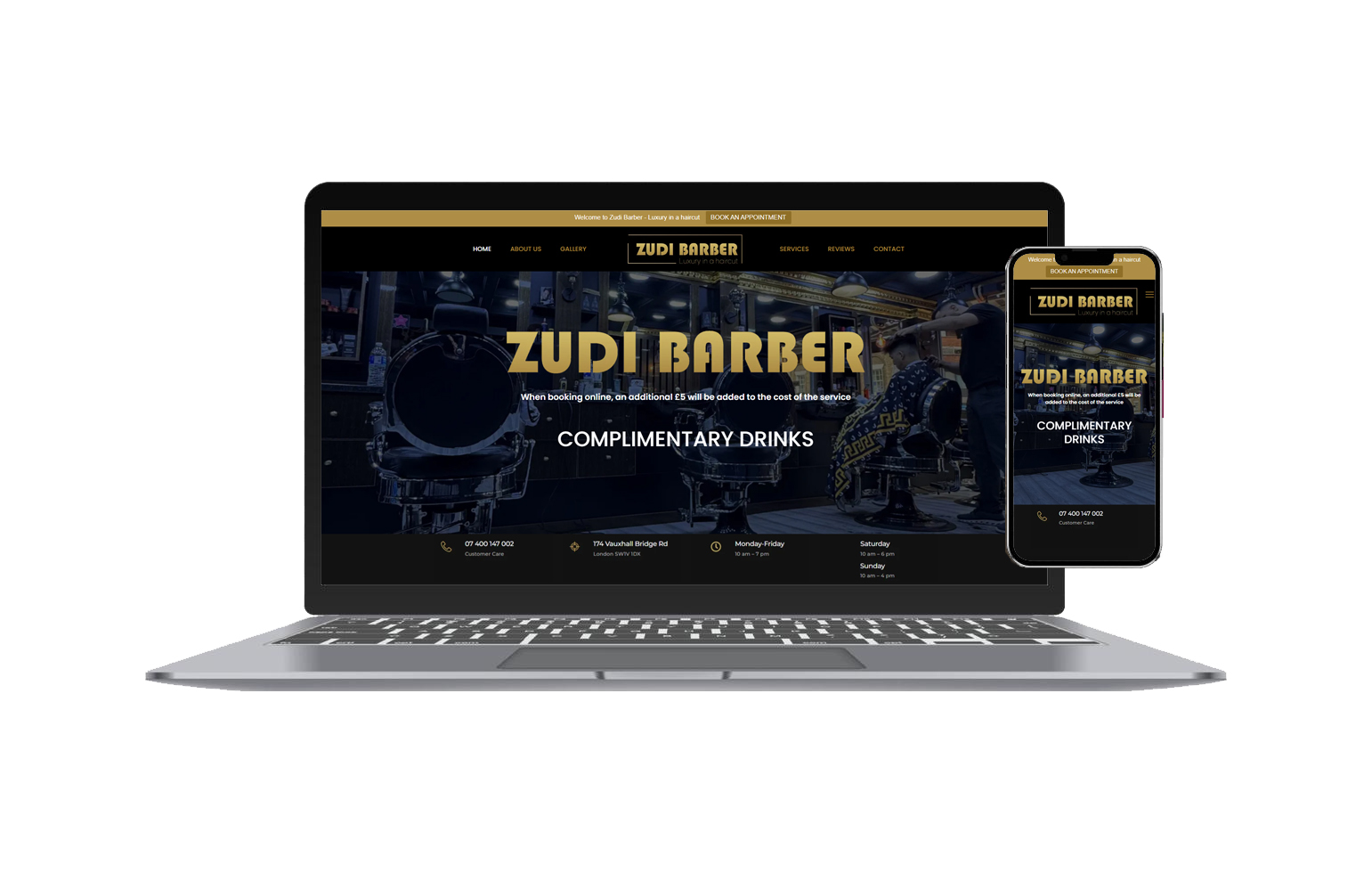
Small businesses need websites that explain what they offer without overwhelming prospective customers.
A typical small business website may include a homepage, information about the company, individual service pages, project photographs, frequently asked questions and a contact page.
We organise this information into a clear page structure, helping visitors find the service that is relevant to them. Calls to action can then direct prospective customers towards an enquiry form, telephone number or email address.
Common project objectives
- Establish a professional online presence
- Describe the business and its services
- Reach customers using mobile devices
- Improve the presentation of an existing brand
- Create clear routes for customer enquiries
- Provide space for future content
Typical features
- Responsive website design
- Service information
- Contact forms
- Click-to-call telephone links
- Image galleries
- Customer review sections
- Service-area information
- Search-friendly page structures
Trade business websites
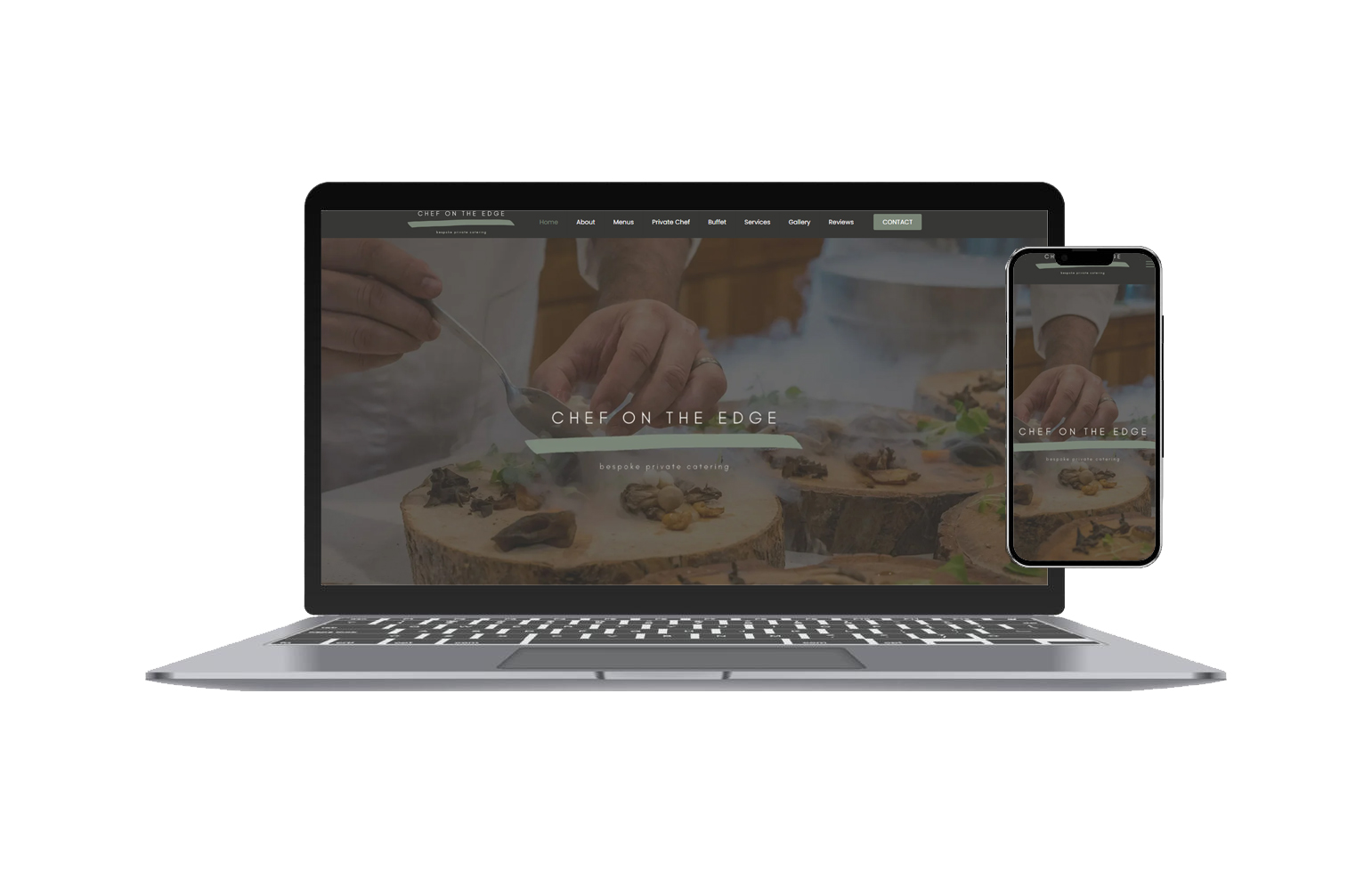
Builders, electricians, plumbers, roofers, decorators, landscapers and other trade businesses often rely on reputation and examples of completed work.
For these projects, we focus on making the trade, services and areas covered immediately clear. Relevant photographs can demonstrate workmanship, while service pages give the business room to answer the questions prospective customers commonly ask.
Visible contact details are particularly important because many visitors will be using a mobile phone and may want to request a quotation quickly.
A trade website can include
- Individual service pages
- Before-and-after photographs
- Project galleries
- Customer reviews
- Areas covered
- Qualifications or accreditations
- Emergency contact information
- Quotation request forms
The final content should be based on the services the business genuinely provides. We avoid filling pages with repeated location names or near-identical text created only to attract search traffic.
Website redesign projects
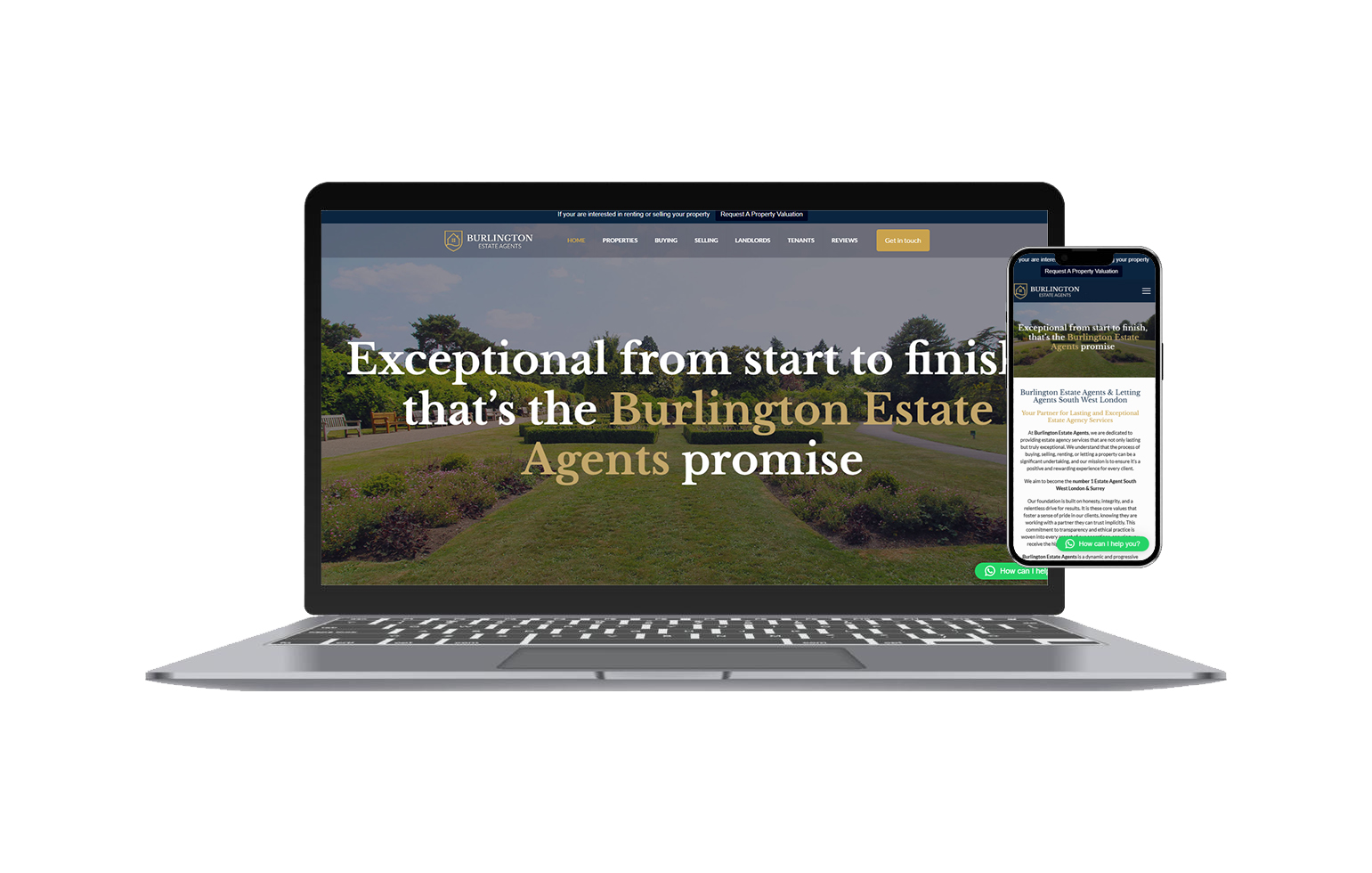
An older website may still contain valuable information, but its design, navigation or mobile experience may no longer represent the business effectively.
Our website redesign work begins with a review of the existing site. We identify which content should be retained, which information needs updating and where the structure can be simplified.
The objective is not simply to change colours or replace a few images. A useful redesign should make the website easier for customers to understand and easier for the business to maintain.
Redesign priorities may include
- Updating an old-fashioned visual design
- Improving mobile usability
- Simplifying navigation
- Reorganising service information
- Creating stronger calls to action
- Replacing outdated images or wording
- Improving website security
- Preparing sensible page titles and metadata
- Retaining useful existing content and URLs
We do not promise that changing a design will automatically increase rankings or enquiries. Where performance improvements are reported in a case study, they should be supported by verified analytics or enquiry data.
Ecommerce website design
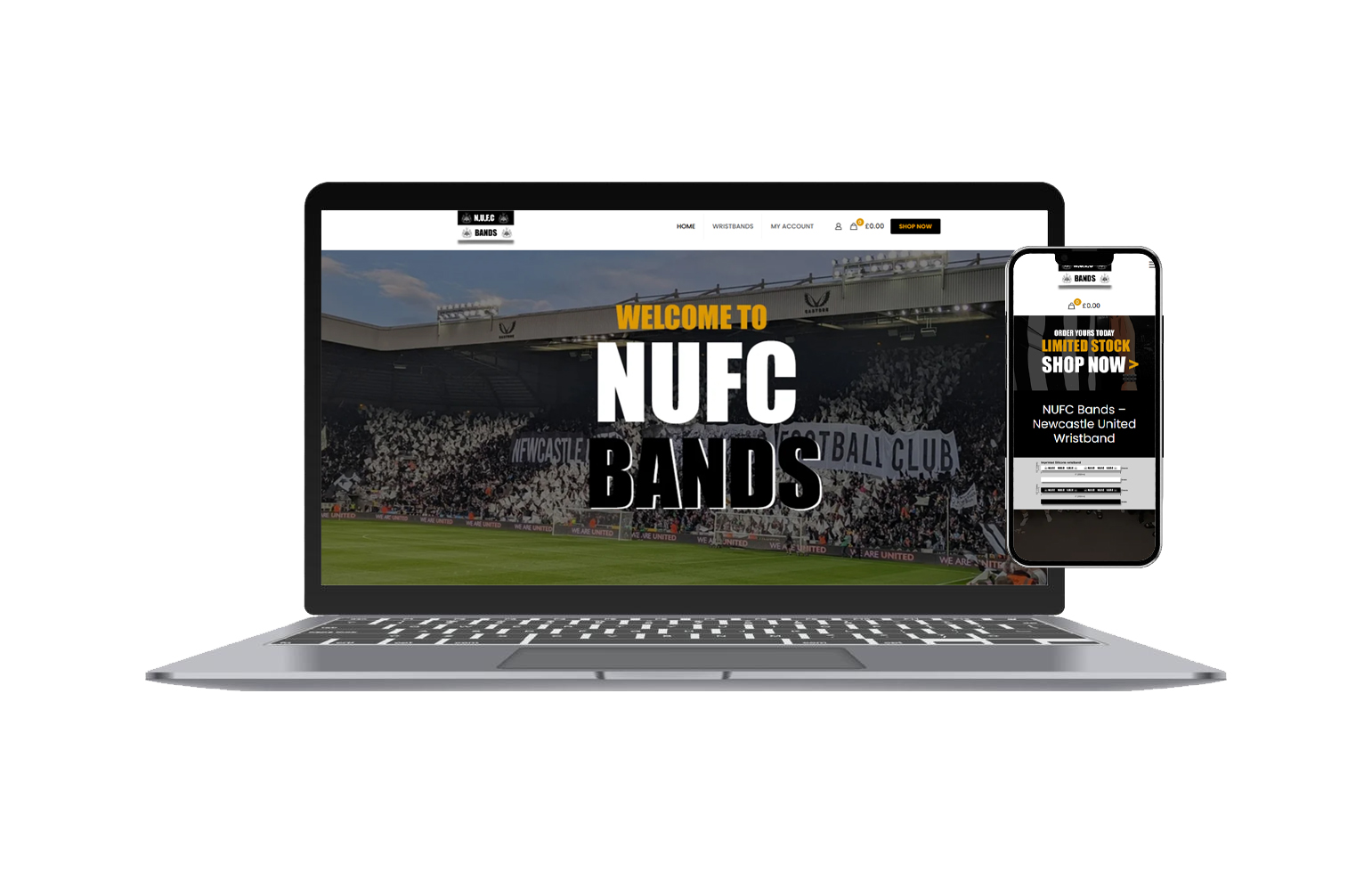
Our ecommerce case studies cover websites created to sell products or accept payments online.
An online shop needs more than an attractive homepage. Customers must be able to find products, understand prices and delivery information, and move through the checkout process with confidence.
We create clear product categories and consistent product pages containing the information customers need before making a purchase. Payment integration, mobile usability and secure HTTPS browsing are considered throughout the project.
Ecommerce features can include
- Product categories
- Product images and descriptions
- Prices and purchasing options
- Shopping basket functionality
- Secure payment integration
- Customer and order notifications
- Delivery information
- Contact and support details
- Mobile-friendly product pages
- SSL security
Our ecommerce website packages start from £9.99 per month.
How we approach an affordable website project
1. Understanding the business
We begin by learning what the business provides, who its customers are and what the website needs to achieve.
This prevents the project from being built around generic assumptions or content that could belong to almost any company.
2. Planning the website
Next, we agree on the pages and features the website requires. A small business with one principal service may only need a focused one-page site, while a company offering several distinct services may benefit from dedicated pages.
3. Organising the content
Information is arranged so that visitors can understand the business and find relevant services without unnecessary searching.
Headings and page titles describe the content accurately. Keywords can be used where they fit naturally, but they are not repeated simply to manipulate search results.
4. Creating the design
The website design is developed using the business’s branding, services and intended audience. The layout is created to work across desktop computers, tablets and mobile phones.
5. Reviewing and launching
The website is reviewed before launch so that essential information, links and contact options can be checked.
6. Providing ongoing support
A website may need new photographs, revised services, updated contact details or other changes after launch. Reasonable ongoing edits and technical support are included in our monthly service.

What is included in our monthly website packages?
Our affordable website packages are intended to remove many of the separate costs associated with establishing and maintaining a business website.
Depending on the selected package, your monthly service includes:
- Professional web design
- Website hosting
- A domain name
- Professional business email
- SSL certificate
- Essential website security
- Search engine optimisation foundations
- Reasonable ongoing changes
- Technical support
Business website packages start from £4.99 per month, with larger packages available when more pages are required.
Search-friendly websites built for people first
Search engine optimisation is most useful when it improves the experience for real visitors.
We create logical page structures, descriptive headings, relevant metadata and mobile-friendly layouts. These elements can help search engines understand the subject of a website, but they do not guarantee a specific Google position.
Search visibility can be affected by:
- The level of competition
- The quality and usefulness of the content
- The age and authority of the website
- Links and mentions from other websites
- The business’s location and service area
- Technical website performance
- Changes to search engine systems
- The quality of competing websites
We avoid guaranteed-ranking claims, hidden text, keyword stuffing and large numbers of near-identical pages.
What makes a useful web design case study?
A genuine case study should explain more than what a website looks like.
Where client approval and reliable information are available, our case studies may include:
- The type of business
- The client’s original requirement
- The intended website audience
- The pages or features created
- The reasoning behind the structure
- Challenges addressed during the project
- The completed website
- Verified outcomes
We do not invent customer quotations, traffic increases, sales figures or Google rankings. Any numerical result should be supported by reliable records and presented with appropriate context.
Frequently asked questions
Start your website project
Whether you need a simple one-page website, a larger business site, an online shop or a complete redesign, we can help you choose an affordable package.
Tell us about your business, the services or products you provide and what you would like your website to achieve.
Our business website packages start from just £4.99 per month, with no need for a large upfront web design payment.
Fill in your details and we'll call you